Trust Issues Are Killing Your Checkout: How to Build Credibility in Bangladesh Ecommerce
70% of Bangladesh customers don't trust new ecommerce sites. Learn exactly what signals build trust and convert skeptical visitors into paying customers.
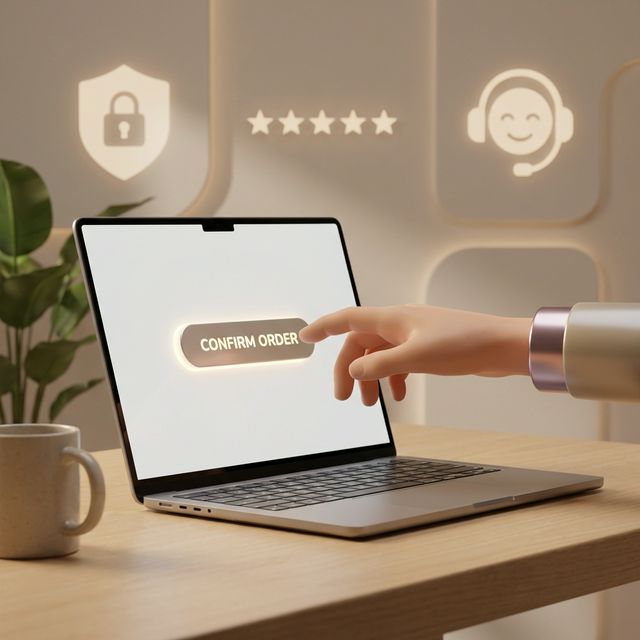
Customer sees your product. Likes it. Clicks "Add to Cart."
Then stops.
"Wait... is this website legit? Will I actually get the product? Is it genuine or fake?"
Cart abandoned.
In Bangladesh, trust is your biggest conversion barrier. Even bigger than price.
70% of customers say they've been scammed by fake ecommerce sites. So when they see YOUR site for the first time, their default assumption is: "This is probably fake too."
You have 10 seconds to prove them wrong. Here's how.
The Bangladesh Ecommerce Trust Crisis
Why customers don't trust online stores:
1. Too Many Scams
Facebook pages that take orders, collect bKash payments, then disappear. Customers have either been burned themselves or know someone who has.
2. Fake Products Everywhere
Order a "Samsung Galaxy" phone → Get a Chinese knockoff.
Order "Nike shoes" → Get fake sneakers that fall apart in 2 weeks.
3. Product Doesn't Match Photo
Beautiful photo on the website → Completely different (worse) product delivered.
4. No Recourse
Customer can't return it. Store blocks them. No refund. Money lost.
Result: Customers are HIGHLY skeptical of any new ecommerce store.
They'll gladly pay 20-30% more to buy from a "trusted" store than risk getting scammed by saving ৳100.
Trust Signals That Actually Work in Bangladesh
1. Cash on Delivery (COD) — The Ultimate Trust Builder
"Pay online now" = Immediate skepticism
"Pay cash when you receive" = Much more comfortable
Why COD works:
- Customer can inspect product before paying
- No risk of losing money to scammers
- Can refuse delivery if product is wrong
- Feels safer (money stays in pocket until product arrives)
Implementation:
- Make COD prominent: "Cash on Delivery Available" badge
- Explain it clearly: "Check the product first, then pay"
- Show it BEFORE adding to cart (removes barrier earlier)
Trade-off:
Yes, you'll get more fake orders with COD. But you'll also get 3-5x more REAL orders. Net positive.
2. Real Photos (Not Stock Images)
Stock photo = Looks too perfect = Probably fake
What customers think:
- "They don't actually have this product"
- "Real product won't look like this"
- "This is a dropshipper with no inventory"
Solution: Use real photos
Take photos of YOUR actual products:
- On a basic table (not professional studio)
- With your hand holding it (proves you have it)
- Multiple angles
- Close-ups of brand tags/labels
- Product packaging
- Screenshot of purchase invoice (for branded items)
Example caption:
"Actual product photo from our warehouse. What you see is what you get."
Imperfect, real photos > Perfect stock photos
3. Customer Reviews with Photos
Fake reviews are easy to spot. Reviews with PHOTOS are harder to fake.
What to show:
- Customer name (first name is fine)
- Location (Dhaka, Chittagong, etc.)
- Star rating
- Written review
- Customer photo with the product (this is KEY)
How to get photo reviews:
- Ask during delivery: "Send us a photo for ৳50 discount on next order"
- Follow up after delivery: "Happy with your order? Share a photo!"
- Make it easy: WhatsApp number where they can send photos
Display prominently:
- On product pages
- On homepage
- On checkout page ("See why 500+ customers trust us")
4. Show Your Face (Literally)
Anonymous stores = Suspicious
Store with a real human = More trustworthy
What to include:
- Photo of you (the founder/owner)
- Brief story: "Hi, I'm [Name]. I started [Store] because..."
- Your phone number (yes, public)
- Physical location (even if it's home-based: "Based in Mirpur, Dhaka")
Why this works:
Scammers hide. Legitimate businesses show faces.
"About Us" page example:
About Us

Hi! I'm Rakib, founder of [Store Name].

I started this business in 2023 after getting scammed buying shoes online myself. I wanted to create a store where people can shop without worrying about fake products.

Every product we sell, I personally check before shipping.

Contact me anytime: 01712-345678

— Rakib Ahmed
Dhanmondi, Dhaka
Instantly more trustworthy than "ShopBD™ - Your Trusted Online Store"
5. Social Media Presence (Active, Not Just Existing)
Not enough: Having a Facebook page with 5,000 followers
What matters: Recent activity and engagement
Customers check:
- When was the last post? (Yesterday = Active. 3 months ago = Dead/Scam)
- Are there comments? (Real humans interacting = Legitimate)
- Do you reply to comments? (Shows you care)
- Are there customer posts/tags? (Social proof)
What to post:
- Product unboxing videos
- Behind-the-scenes (packing orders)
- Customer photos/testimonials
- Daily stories (shows business is alive)
Red flag: Page created 2 weeks ago with zero engagement = Scam
6. Transparent Contact Information
The more ways to contact you, the more legitimate you seem.
Minimum:
- Phone number (not just a form)
- WhatsApp number
- Facebook page link
- Physical address (even "Home-based in Mohammadpur" is better than nothing)
Bonus points:
- Google Maps embed of location
- Business hours
- "Call us now" button that actually works
Wrong:
- Just a contact form
- "Email: info@store.com" with no reply
- No phone number ("WhatsApp only" is risky)
7. Money-Back Guarantee / Return Policy
"Final sale, no returns" = Red flag
"Don't like it? Return within 7 days" = Confidence
What to offer:
- Return window: 3-7 days
- Condition: Unused, original packaging
- Process: Simple return (they call, you pick up)
- Refund method: Cash or exchange
How to display:
- Badge on product page: "7-Day Return Guarantee"
- Full policy page (keep it simple, no legal jargon)
- Mention at checkout: "Changed your mind? Easy returns!"
Why it works:
You're confident enough in your product quality to offer returns = Product must be good
8. Security Signals (Even if Overkill)
Trust badges work, even if customers don't fully understand them.
What to show:
- SSL certificate badge ("Secure Checkout")
- Payment method logos (bKash, Nagad, etc.)
- "Verified Business" badge (from Facebook if you have it)
- "100% Authentic Products" badge
- "Safe Shopping Guarantee" badge
Where to show:
- Checkout page
- Footer (every page)
- Product pages
Note: Don't fake these. If you say "SSL Secure," actually have SSL (https://).
9. Live Chat / Instant Response
Customer has a question.
Scenario A: They submit a contact form. Wait 24 hours. No reply. Leave.
Scenario B: They WhatsApp you. Get a reply in 5 minutes. Trust increases.
How to implement:
- WhatsApp chat widget on your site
- Or Facebook Messenger integration
- Or even just: "Questions? WhatsApp us: 01XXX-XXXXXX"
Response time matters:
- Under 5 minutes: +80% trust
- 1-2 hours: +40% trust
- 1 day: -20% trust ("They're probably overwhelmed/fake")
10. Third-Party Validation
Low trust: "We're the best!"
High trust: "Featured in [Publication]" or "Rated 4.8★ on Google Reviews"
What counts as validation:
- Google Reviews (100+ reviews, 4.5+ stars)
- Facebook reviews/recommendations
- Featured in blog/publication
- Partnership with known brands
- Delivery partnership (Pathao, Paperfly logos)
- Payment partner logos (bKash, SSLCommerz)
How to display:
- "As Seen On" section
- Customer reviews widget
- "Trusted by 5,000+ customers"
What HURTS Trust (Avoid These)
❌ Unrealistic Promises
"Lose 10 kg in 3 days!" = Scam
"100% original guaranteed cheapest in Bangladesh!" = Probably fake
Be realistic. Overpromising destroys credibility.
❌ Broken English / Typos
"We are give you best prodcut garantee" = Looks sketchy
Proofread everything. Bad grammar = Unprofessional = Untrustworthy.
❌ Too-Good-To-Be-True Prices
iPhone 14 Pro for ৳15,000? Fake.
If your price is significantly below market, customers will assume it's fake/stolen/broken.
Solution: Price competitively but not suspiciously low. If you DO have a great deal, explain WHY.
"Sale price: ৳15,000 (Regular ৳25,000) — Clearance sale, slight packaging damage"
❌ Fake Urgency Tactics
"Only 2 left in stock!" (but it says this for 3 months) = Loses trust
Don't use fake scarcity. If you have 100 units, don't pretend you have 2.
❌ Hiding Costs
Showing ৳500 price → At checkout, suddenly ৳700 (hidden delivery fee)
Result: Instant mistrust. Customer feels tricked. Abandons cart.
Solution: Show total price upfront. "Product: ৳500 + Delivery: ৳100 = Total: ৳600"
❌ No Faces / Anonymous
"Shop BD" with no names, faces, or location = Could be anyone, anywhere
Show who's behind the business.
❌ Asking for Too Much Info
"Enter your national ID number and mother's maiden name to checkout"
Why do you need this? Feels like data harvesting.
Minimum info only: Name, phone, address. That's it.
The Trust-Building Timeline
Trust isn't built instantly. It's cumulative.
First Visit (0 trust):
- Customer sees brand for first time
- Skeptical by default
- Looking for red flags
What converts them:
- Real photos
- Customer reviews with photos
- COD option
- Responsive social media
First Order (20% trust):
- They're taking a small risk
- COD preferred
- Prepared to refuse delivery if product is wrong
What converts them:
- Fast response to order confirmation
- Transparent communication
- Product matches description
- Easy delivery
First Delivered Order (60% trust):
- Product was as described
- Quality was good
- Process was smooth
What converts them:
- Follow-up: "How's the product?"
- Easy returns if needed
- Appreciation: "Thanks for trusting us!"
Repeat Customer (90% trust):
- They've ordered 2-3 times
- All experiences were positive
- Now they recommend you to friends
What keeps them:
- Consistency
- Continued responsiveness
- Loyalty rewards
- Feeling valued
Quick Trust-Building Checklist
On your website:
- [ ] HTTPS (SSL) enabled
- [ ] Real product photos (not just stock images)
- [ ] Customer reviews with photos
- [ ] About Us page with founder photo/story
- [ ] Clear contact info (phone, WhatsApp, address)
- [ ] COD payment option
- [ ] Return/refund policy
- [ ] Trust badges (payment methods, security)
On social media:
- [ ] Active posting (at least 3x/week)
- [ ] Reply to comments/messages within hours
- [ ] Customer testimonials/photos posted
- [ ] Behind-the-scenes content
- [ ] Real human voice (not corporate speak)
In customer interactions:
- [ ] Respond to inquiries within 5 minutes
- [ ] Confirm orders immediately (SMS)
- [ ] Call before delivery
- [ ] Follow up after delivery
- [ ] Handle issues quickly and fairly
The Bottom Line: Trust = Sales in Bangladesh
You can have:
- The best products
- The lowest prices
- The fastest delivery
But if customers don't trust you, they won't order.
In Bangladesh, building trust is not a "nice to have." It's THE critical conversion factor.
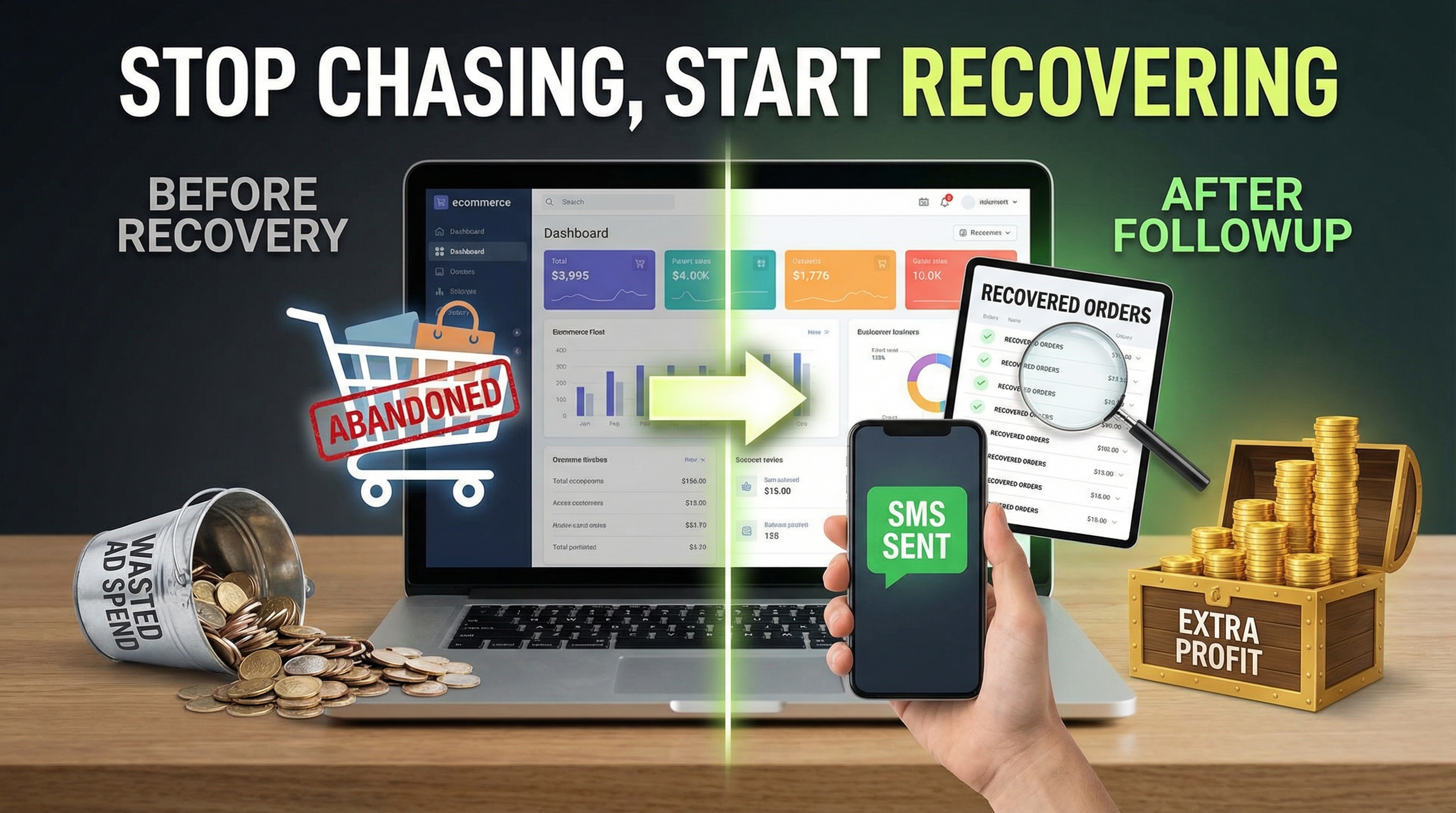
Built trust but customers still abandon checkout?
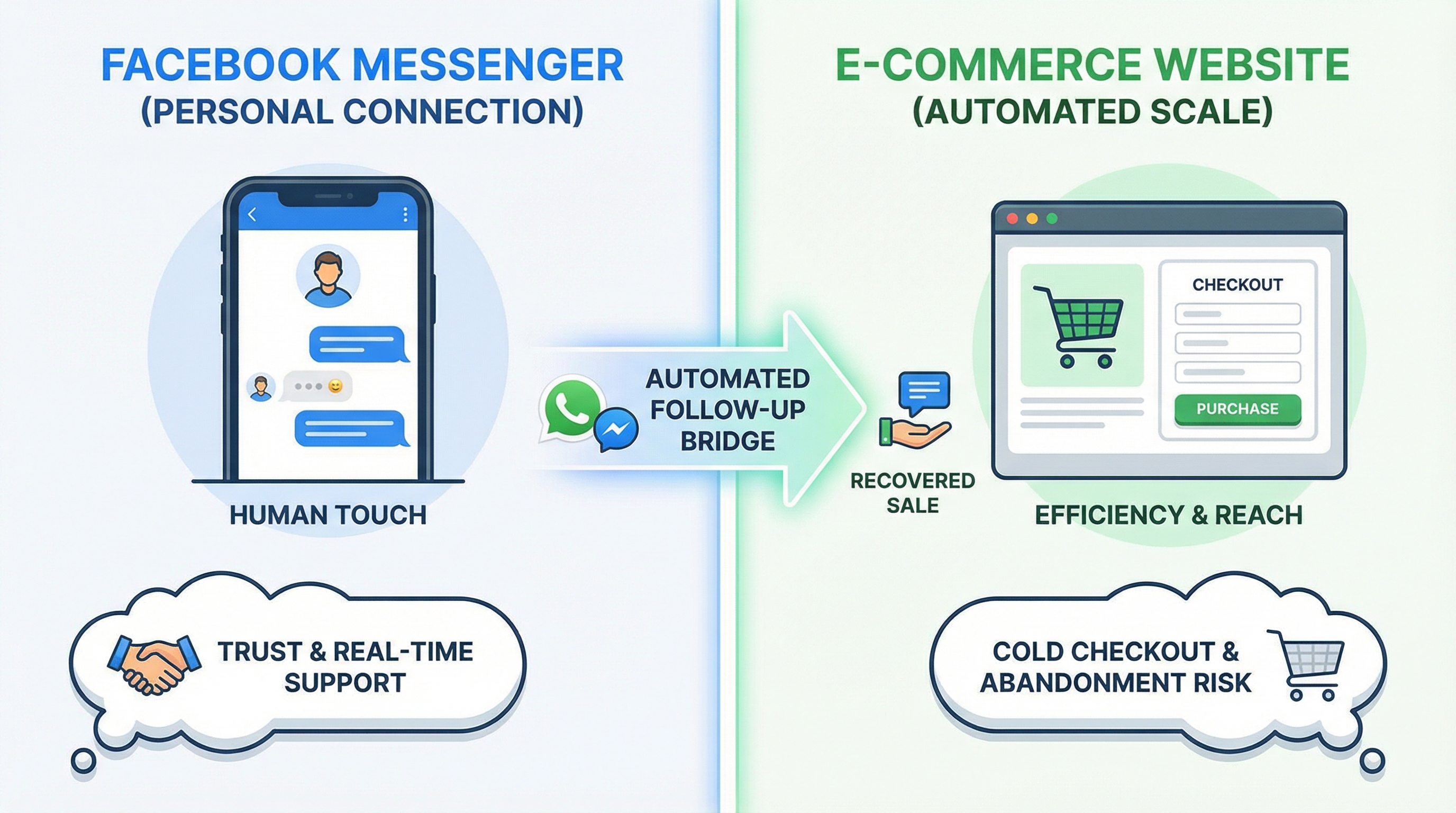
Try FollowUp — Automated SMS/WhatsApp recovery for incomplete orders. Turn abandoned carts into sales.
Next step
Turn the playbook into an automated recovery flow
FollowUp captures incomplete checkouts and sends SMS or WhatsApp follow-ups while the order is still warm.